Shikoku 88 Temple Pilgrimage: Planning Your First Henro Journey
The Oldest Pilgrimage Trail in Japan
The Shikoku Henro is a 1,200-kilometer circuit linking 88 Buddhist temples across Japan's fourth-largest island. Tradition holds that the monk Kukai, posthumously known as Kobo Daishi, walked this path in the early ninth century. Today, tens of thousands of pilgrims follow in his footsteps each year, visiting temples that span mountain passes, coastal cliffs, river valleys, and quiet farming villages. The pilgrimage is open to anyone regardless of religious background, and many modern henro (pilgrims) walk it for personal reflection, physical challenge, or cultural immersion.
The Four Prefectures and Their Meanings
The circuit is divided into four stages, each corresponding to one of Shikoku's prefectures and a phase of spiritual development.
Tokushima: The Place of Awakening
Temples 1 through 23 lie in Tokushima Prefecture on the eastern coast. This is where most pilgrims begin, and the relatively flat terrain eases you into the rhythm of daily walking. The area is known for the Awa Odori dance festival and the dramatic Iya Valley gorge.
Kochi: The Place of Ascetic Training
Temples 24 through 39 stretch across Kochi, the largest and most sparsely populated prefecture on the island. Long distances between temples, rugged coastal paths, and solitary mountain trails make this the most physically demanding section. Cape Muroto and Cape Ashizuri offer stunning Pacific Ocean panoramas.
Ehime: The Place of Enlightenment
Temples 40 through 65 wind through Ehime Prefecture along the western coast and inland mountains. The historic castle town of Matsuyama and the ancient Dogo Onsen hot spring offer welcome rest stops. Temple density increases here, and many pilgrims find a deeper rhythm in their practice.
Kagawa: The Place of Nirvana
The final temples, 66 through 88, lie in compact Kagawa Prefecture on the northern coast. Distances between temples shorten, and the pace quickens as the end approaches. The circuit traditionally concludes at Temple 88, Okuboji, though many pilgrims continue to Mount Koya in Wakayama Prefecture to pay respects at Kukai's mausoleum.
Walking, Bus, or Car?
Walking the entire circuit takes between 30 and 60 days depending on your pace, with most dedicated walkers finishing in about 45 days. This is the most immersive way to experience the henro. You walk through places no bus route reaches and meet local people who offer osettai (charitable gifts to pilgrims).
Bus tours compress the pilgrimage into 8 to 12 days, with companies handling logistics, meals, and accommodation. However, the meditative quality of walking is largely lost. Driving your own car offers a middle ground at 10 to 14 days, with flexibility to linger at temples, though parking at mountain temples can be limited.
What to Wear and Carry
Traditional henro attire includes a white vest (hakui) symbolizing purity, a conical sedge hat (sugegasa) inscribed with a Buddhist verse, a walking staff (kongozue) representing Kobo Daishi walking beside you, and a wagesa stole worn around the neck. Wearing even some of these items identifies you as a pilgrim and opens doors to osettai and local kindness.
For practical gear, pack lightweight hiking clothes, rain protection, a compact sleeping bag if you plan to stay at tsuyado (free pilgrim shelters), sunscreen, and a basic first aid kit. Keep your pack as light as possible since the mountain sections involve serious elevation gain.
Temple Etiquette
At each temple, the ritual follows a consistent pattern. First, bow at the main gate (sanmon) before entering. Purify your hands and mouth at the water basin (chozuya). Proceed to the main hall (hondo) and then the Daishi hall (daishido). At each, light a candle and incense, place a name slip (osamefuda) in the designated box, and recite the Heart Sutra and any additional prayers. Finally, visit the stamp office (nokyosho) to receive your calligraphic stamp and vermilion seal. The stamp costs 300 yen per temple, and the nokyocho stamp book itself costs around 2,500 yen.
The Stamp Book
The nokyocho is a folding accordion book that becomes a treasured personal artifact by the journey's end. Each page is filled with bold brush calligraphy and red temple seals, unique to that temple and hand-drawn by a resident calligrapher. Many pilgrims frame completed books or display them as scrolls. Collect stamps in order if possible, as some pilgrims value the sequential narrative, but temples will stamp your book regardless of order.
Budget Planning
A walking henro spending nights in minshuku (guesthouses), business hotels, and occasional temple lodging (shukubo) should budget 5,000 to 8,000 yen per day for accommodation and 2,000 to 3,000 yen for meals. Budget pilgrims who camp or use tsuyado shelters can reduce this significantly. The total cost for a 45-day walking pilgrimage typically falls between 300,000 and 500,000 yen, including transportation to and from Shikoku.
Best Season
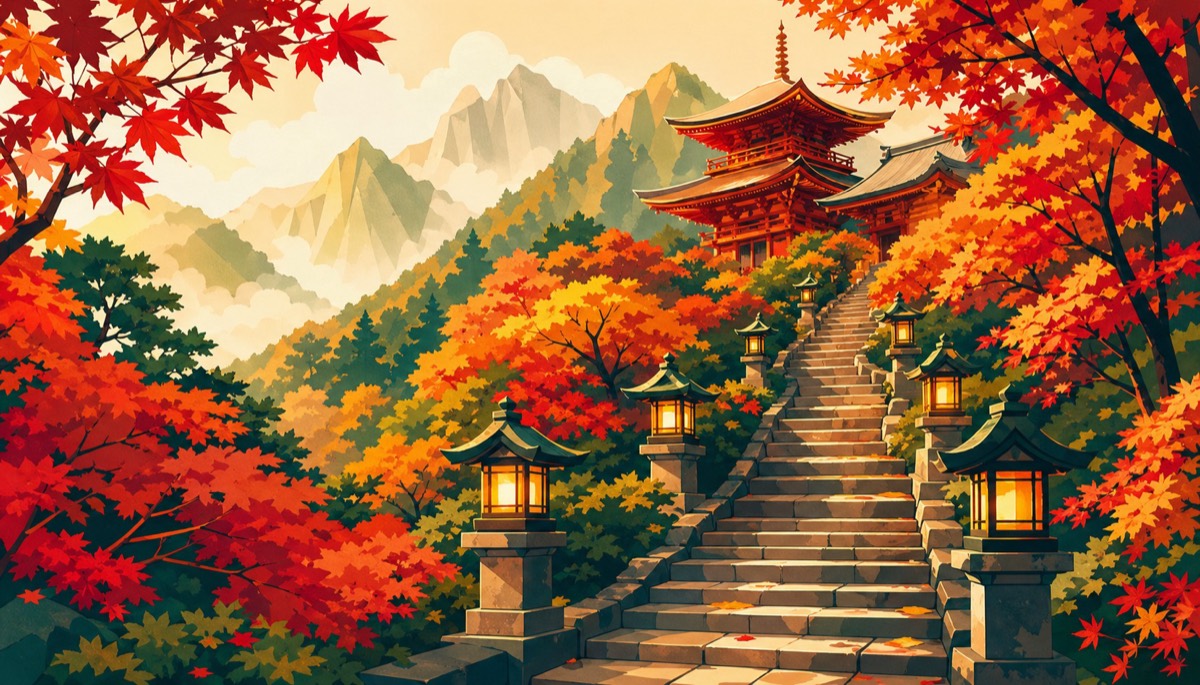
Spring (late March through May) and autumn (October through November) are ideal. Cherry blossoms grace the spring trail, while autumn brings vivid foliage to the mountain temples. Summer is hot and humid with typhoon risk. Winter is manageable on the coastal sections but mountain passes may see snow, and some accommodations close for the season.
Begin Your Henro
The Shikoku 88 temple pilgrimage rewards patience, curiosity, and a willingness to be humbled by long days on the trail. Planning the logistics can feel daunting at first. Sacred Trails is designed to help pilgrims research temple details, map routes, and organize their journey before the first step outside Temple 1.