Due Diligence Checklist for Japanese Real Estate Purchases
Why Due Diligence Matters in Japan
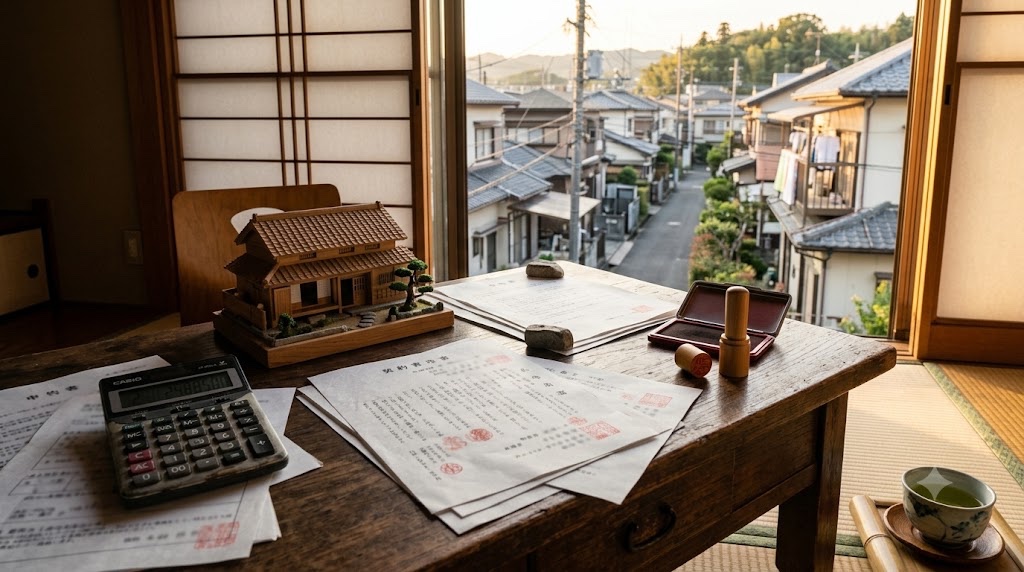
Japanese real estate transactions place significant responsibility on the buyer to investigate and understand what they are purchasing. While the seller's agent is legally required to disclose known material facts through the important matters explanation document, many issues only surface through independent investigation. Foreign buyers face additional challenges including language barriers, unfamiliarity with Japanese legal concepts, and distance from the property. A systematic approach to due diligence can prevent costly surprises and failed investments.
1. Title Verification
The foundation of any property purchase is confirming clean title. In Japan, property ownership is recorded at the Legal Affairs Bureau in a document called the toki jiko shomeisho (certified copy of the register). This document is publicly available for a small fee and contains critical information.
- Confirm the registered owner: Verify that the person selling the property is actually the registered owner. In cases of inherited property, confirm that succession registration has been completed.
- Check for encumbrances: The register shows mortgages, liens, and other claims against the property. All encumbrances should be cleared before or at the time of settlement.
- Verify the property boundaries and area: The registered land area should match what is physically present. Discrepancies may indicate boundary disputes or unregistered changes.
- Review historical transfers: A pattern of rapid ownership changes can indicate problems with the property or speculative activity.
2. Zoning and Building Regulations
Japan's zoning system divides land into use districts that determine what can be built and how. Understanding the zoning designation is essential, especially if you plan to renovate, rebuild, or change the use of a property.
- Confirm the use district: Japan has 13 use districts ranging from exclusively low-rise residential to commercial and industrial. Each has specific rules about building height, floor area ratio, and building coverage ratio.
- Check setback requirements: Properties on narrow roads may be subject to setback requirements that reduce the buildable area. Under the four-meter road rule, if the road fronting the property is less than four meters wide, the owner must set back the building line to create a two-meter clearance from the road center.
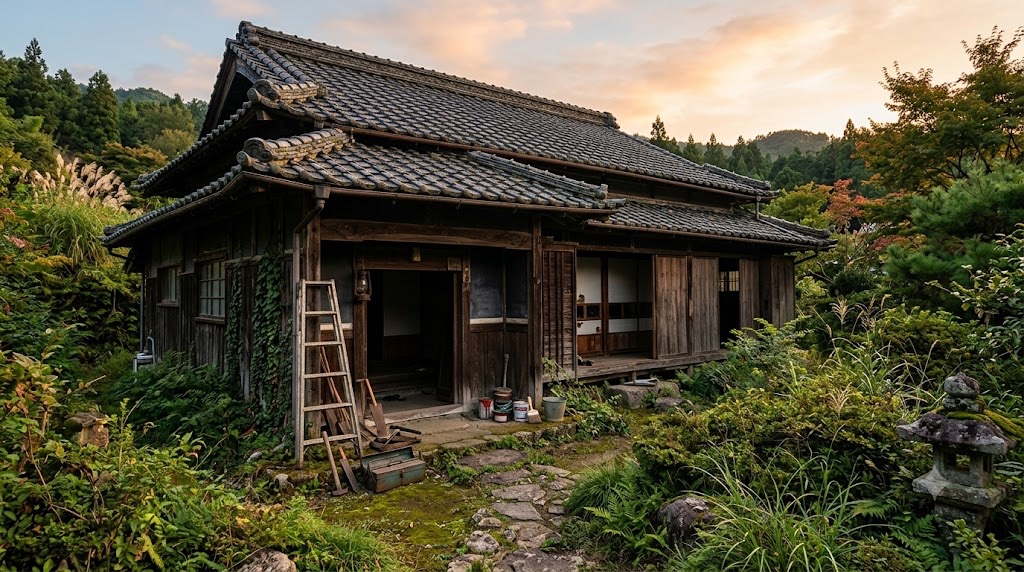
- Verify building conformity: An existing building may be legally non-conforming, meaning it was legal when built but does not meet current regulations. Such buildings can be maintained but may not be rebuilt to the same specifications if demolished.
- Confirm access to a public road: Japanese building law requires that a property has at least two meters of frontage on a road recognized by the Building Standards Act. Properties without this access cannot receive building permits.
3. Natural Disaster Risk Assessment
Japan is subject to earthquakes, typhoons, flooding, landslides, and volcanic activity. Assessing natural disaster risk is not optional; it is a fundamental part of property evaluation.
- Earthquake resistance: Check whether the building was constructed before or after the 1981 revision of the Building Standards Act, which significantly strengthened earthquake resistance requirements. Buildings from before 1981 should undergo a seismic evaluation.
- Flood hazard maps: Every municipality publishes hazard maps showing areas at risk of river flooding, inland flooding, and storm surge. These are freely available online and at city offices.
- Landslide risk zones: Properties on or near slopes may be in designated landslide risk areas, which can affect insurance availability and building restrictions.
- Tsunami risk: Coastal properties should be evaluated against tsunami inundation maps published by prefectural governments.
- Soil liquefaction: In certain geological conditions, earthquakes can cause soil to behave like liquid, damaging foundations. Liquefaction risk maps are available for most urban areas.
4. Property Boundaries and Survey
Boundary disputes are a common source of problems in Japanese real estate, particularly for older properties and those in rural areas.
- Request a boundary confirmation: Ideally, the seller should provide a boundary confirmation document signed by all adjacent landowners. If this does not exist, commissioning a land surveyor to establish boundaries before purchase is strongly recommended.
- Compare registered and actual boundaries: The cadastral map at the Legal Affairs Bureau may not match the physical reality on the ground, especially for properties that have not been surveyed in decades.
- Check for encroachments: Neighboring structures, fences, or plantings that cross the property line can create legal complications.
5. Tenant Rights and Lease Agreements
If the property is sold with existing tenants, Japanese tenant protection laws heavily favor renters.
- Review all lease agreements: Understand the terms, rent amounts, deposit arrangements, and renewal conditions for each tenant.
- Understand eviction limitations: Under the Land and Building Lease Act, landlords cannot refuse to renew a lease without "just cause," which is interpreted narrowly by courts. Purchasing a property with the intention of vacating tenants is extremely difficult in Japan.
- Confirm deposit handling: Tenant security deposits transfer to the new owner at settlement. Ensure these amounts are properly accounted for in the transaction.
6. Building Inspection
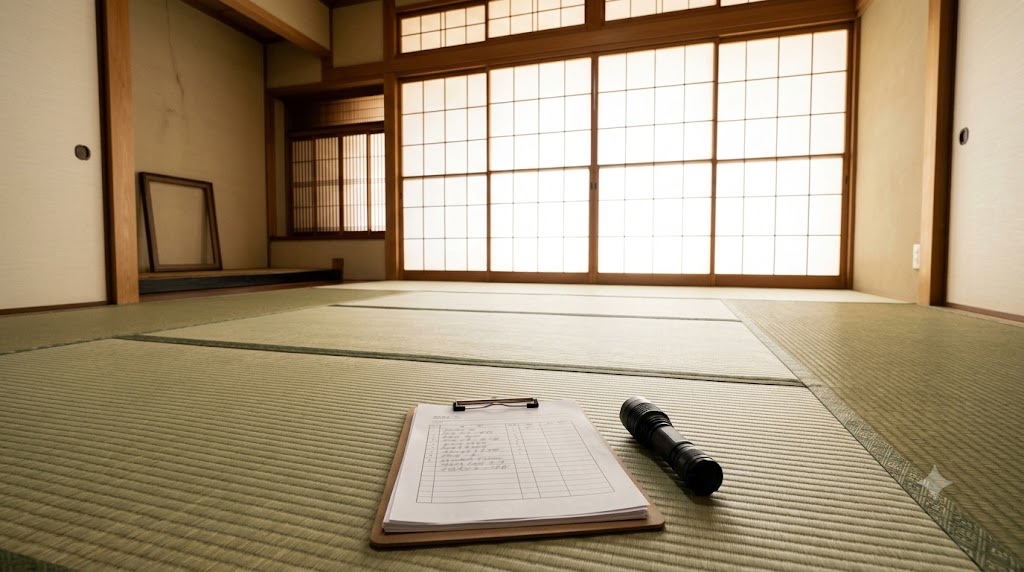
Japan does not mandate building inspections for used property sales. Commissioning an independent inspection is the buyer's responsibility and is strongly recommended.
- Structural assessment: Check foundations, framing, roof structure, and load-bearing walls for damage or deterioration.
- Water damage and moisture: Inspect for signs of leaks, condensation damage, and mold, particularly in bathrooms, kitchens, and attic spaces.
- Pest inspection: Termite damage is a serious concern in Japanese wooden buildings. Professional pest inspections can identify active infestations and past damage.
- Systems check: Evaluate the condition of plumbing, electrical, gas, heating, cooling, and ventilation systems.
7. Tax Obligations and Insurance
- Fixed asset tax and city planning tax: Annual property taxes based on government-assessed values. Confirm current tax amounts and any applicable exemptions.
- Income tax on rental income: Foreign owners who earn rental income in Japan must file Japanese tax returns. A tax agent in Japan may be required.
- Capital gains tax: Gains on property held less than five years are taxed at approximately 39 percent, while long-term holdings are taxed at approximately 20 percent.
- Earthquake and fire insurance: Standard fire insurance does not cover earthquake damage. Separate earthquake insurance is available but covers only a portion of the insured value.
Bringing It All Together
Due diligence for Japanese real estate is methodical work that rewards thoroughness. Each item on this checklist addresses a real risk that has cost buyers money in actual transactions. Working with qualified professionals, including a licensed real estate agent, a judicial scrivener, a tax advisor, and a building inspector, is the best way to ensure nothing is missed. For foreign buyers navigating this process, platforms like Sumika can assist by aggregating property data and risk assessments into a structured format, making it easier to evaluate properties systematically rather than relying on incomplete information.