Understanding Akiya: Japan's Abandoned Houses and Their Investment Potential
What Are Akiya and Why Do They Exist?
Akiya, literally meaning "empty house" in Japanese, refers to the millions of abandoned or vacant residential properties scattered across the country. According to the Ministry of Internal Affairs, Japan had approximately 9 million akiya as of the most recent housing survey, representing roughly 13.6 percent of all residential properties. That number continues to grow as the population shrinks and ages.
The causes are deeply structural. Japan's population peaked around 128 million in 2008 and has been declining since, with projections suggesting it could fall below 100 million by 2050. Rural areas are particularly affected as young people migrate to cities for employment, leaving behind family homes with no one to inherit or maintain them. Japanese inheritance customs often result in properties being passed to heirs who already own homes in urban areas and have no use for a rural dwelling. The cost and complexity of demolition, combined with a tax system that penalizes vacant land more heavily than vacant buildings, means many owners simply leave structures standing and walk away.
The Akiya Bank System
To address this growing issue, hundreds of local governments across Japan have established akiya banks, online databases listing vacant properties available for sale or rent, often at deeply discounted prices. Some properties are listed for as little as zero yen, though the buyer assumes all renovation and legal costs. The national aggregator at akiya-athome.jp compiles listings from many municipalities, making it easier to search across regions.
Each akiya bank operates differently. Some are run directly by city or town offices, while others are managed by local real estate associations. The quality of listings varies enormously. Some include detailed photographs and condition reports, while others offer only an address and a price. Language barriers are significant, as most akiya banks operate entirely in Japanese with no English interface. Working with a bilingual agent or service familiar with the akiya market is practically essential for foreign buyers.
Rural vs. Urban Akiya
Rural Properties
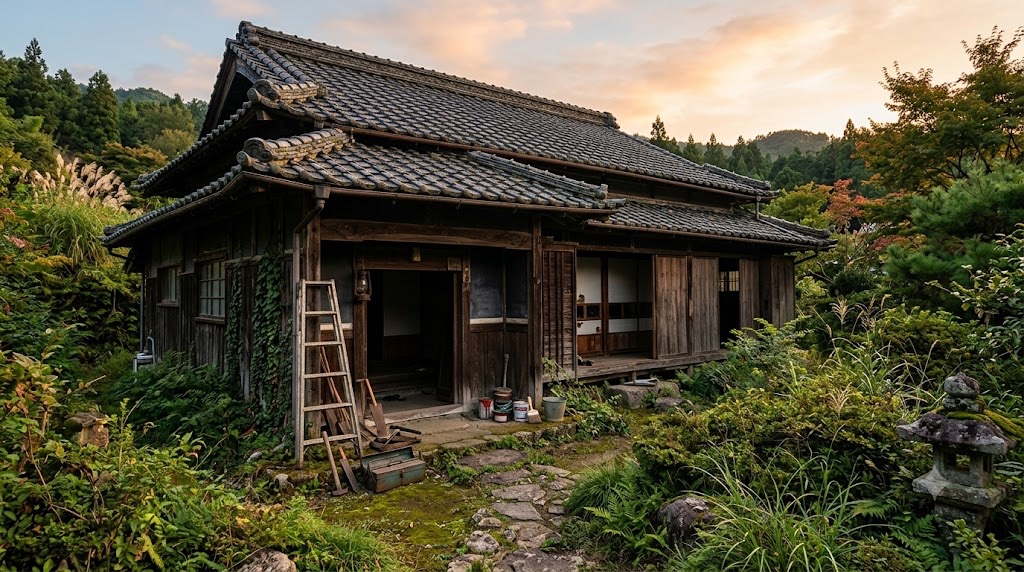
The majority of akiya are in rural and semi-rural areas. Prices can be extraordinarily low, sometimes under one million yen for a house with land. However, these properties often come with significant challenges: poor road access, no nearby public transportation, limited medical facilities, and communities with very few remaining residents. Renovation costs frequently exceed the purchase price by a factor of five or ten. The appeal lies in lifestyle rather than financial return: artists, remote workers, and those seeking a quieter pace of life may find genuine value.
Urban and Suburban Akiya
Akiya in urban areas are rarer and more expensive but present a more realistic investment case. A neglected house in a Tokyo suburb or a secondary city like Fukuoka or Sapporo may be purchased for ten to twenty million yen, renovated for a similar amount, and rented or resold at a profit. Location, as always, is the decisive factor. Proximity to train stations, schools, and commercial areas determines both rental demand and resale potential.
Renovation Costs and Realities
Renovating a Japanese akiya is rarely a straightforward project. Common issues include:
- Structural decay: Wooden frames exposed to humidity and insects for years may require partial or complete replacement. Termite damage is common and often invisible until walls are opened.
- Earthquake compliance: Buildings constructed before the 1981 revision of Japan's Building Standards Act often fail to meet current seismic codes. Retrofitting can be expensive, but some municipalities offer subsidies for earthquake reinforcement.
- Plumbing and electrical: Outdated systems may use materials no longer up to code. Complete rewiring and replumbing are common in older renovations.
- Insulation: Many older Japanese homes have minimal insulation, making them uncomfortable and expensive to heat in winter. Adding proper insulation is a high-priority upgrade.
- Asbestos: Buildings from certain eras may contain asbestos in walls or ceilings, requiring professional removal.
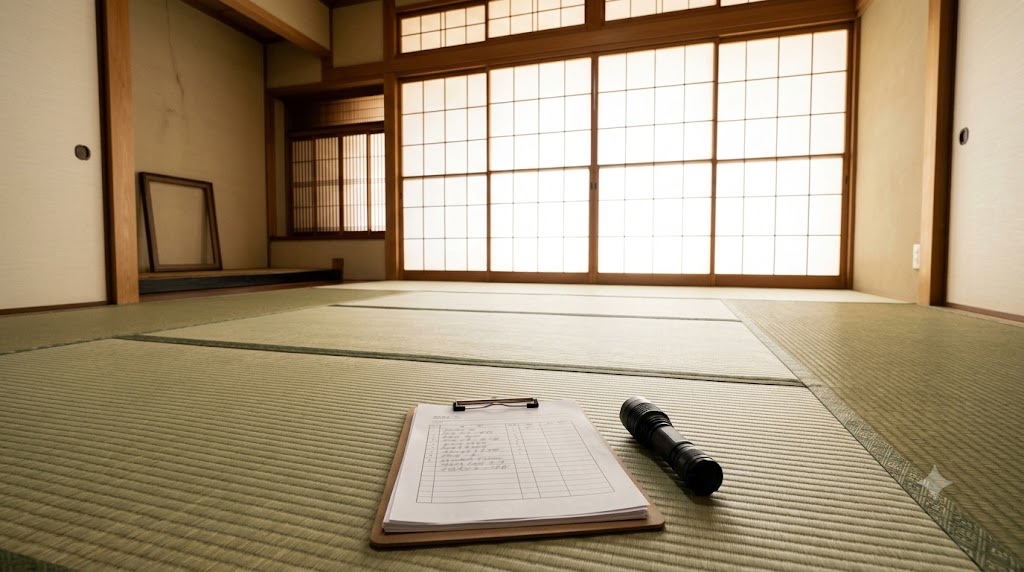
A rough renovation budget for a habitable but dated akiya might range from three to ten million yen for cosmetic updates, while a full structural renovation can easily reach fifteen to thirty million yen or more. Getting multiple quotes from local contractors and having an independent building inspection done before purchase is essential.
Legal Considerations
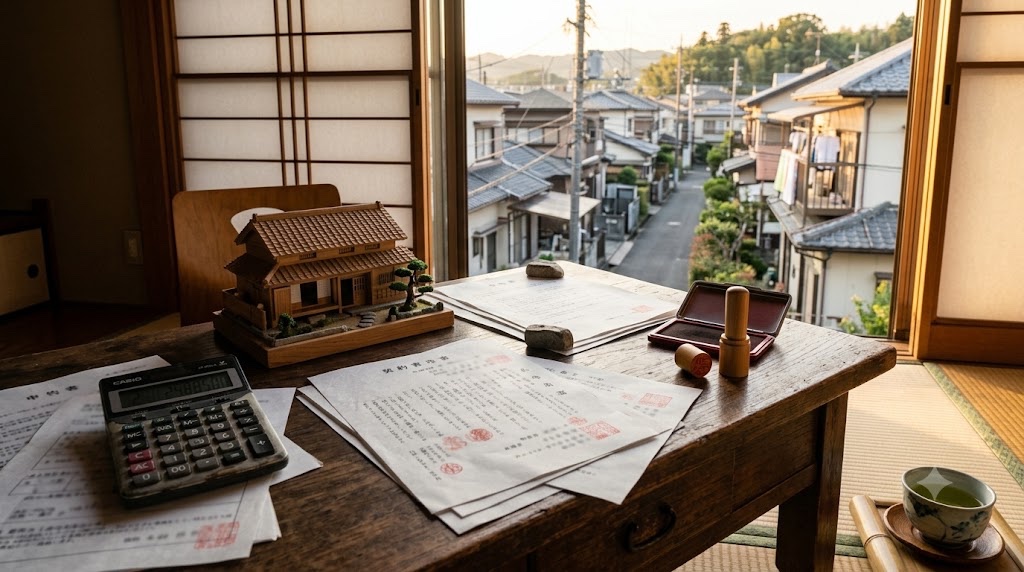
Several legal issues are unique to akiya purchases. Boundary surveys are critical because many rural properties have not had formal surveys in decades, and neighboring property lines may be disputed or unclear. Title searches sometimes reveal that the registered owner is deceased and the property has not been formally inherited, creating complications that require legal resolution before a sale can proceed.
Access rights can also be an issue. Some rural properties are reached via private roads owned by neighbors, and formal access agreements may not exist. Water rights, particularly for properties with wells or shared water systems, should be investigated thoroughly.
Since 2023, Japan has required heirs to register inherited property within three years or face penalties, which is expected to gradually reduce the number of properties stuck in legal limbo. However, the backlog remains enormous.
Realistic ROI Expectations
The viral stories of foreigners buying Japanese houses for the price of a used car make for compelling content but rarely tell the full financial story. A realistic assessment must include not just the purchase price but renovation costs, ongoing maintenance, property taxes, insurance, and management fees if renting. For rural akiya purchased as lifestyle properties, the financial return may be negative, and the value is experiential rather than monetary.
For urban and suburban akiya pursued as investments, gross rental yields of eight to twelve percent are achievable in secondary cities, but net yields after all expenses are typically in the four to six percent range. Capital appreciation is possible in growing areas but should not be assumed in a country with a declining population.
Making an Informed Decision
Akiya represent a genuinely unique opportunity in global real estate, but success requires realistic expectations and thorough research. Understanding the true condition of a property, the total cost of renovation, and the local market dynamics is essential before committing. For buyers conducting due diligence on Japanese properties, AI-powered research tools like Sumika can help analyze property data and local market conditions, reducing the information asymmetry that often disadvantages foreign buyers in this market.