Beginner's Guide to the Camino de Santiago: Everything You Need to Know
What Is the Camino de Santiago?
The Camino de Santiago, or the Way of St. James, is a network of ancient pilgrimage routes stretching across Europe and converging at the Cathedral of Santiago de Compostela in northwestern Spain. For over a thousand years, pilgrims have walked these trails for spiritual reflection, personal challenge, or simply the joy of long-distance walking through some of Europe's most beautiful landscapes.
Whether you are drawn by faith, fitness, or the desire for a transformative journey, this guide covers everything you need to plan your first Camino.
Choosing Your Route
There are dozens of official Camino routes, but three stand out as the most popular choices for first-time pilgrims.
Camino Frances (The French Way)
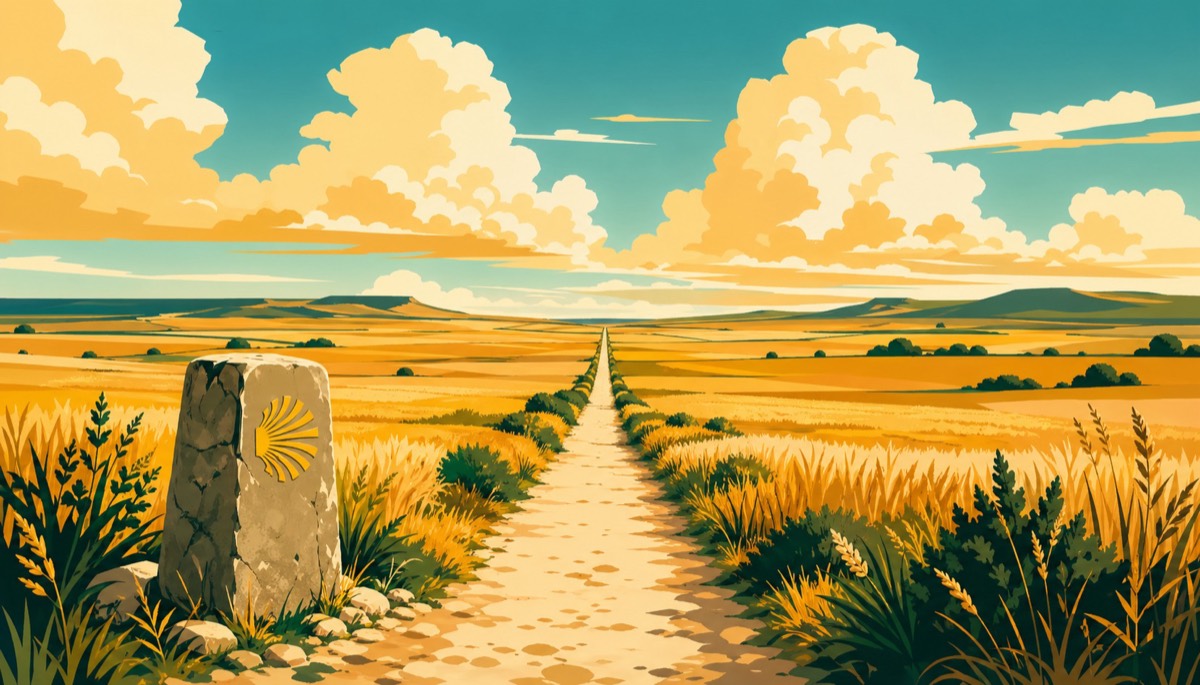
Starting in Saint-Jean-Pied-de-Port on the French side of the Pyrenees, the Camino Frances stretches roughly 790 kilometers across northern Spain and takes most walkers between 30 and 35 days. Infrastructure is excellent: you will find albergues (pilgrim hostels), restaurants, and pharmacies in nearly every town. The route crosses diverse terrain, from dramatic Pyrenean passes to the Meseta plateau and the green hills of Galicia.
Camino Portugues (The Portuguese Way)
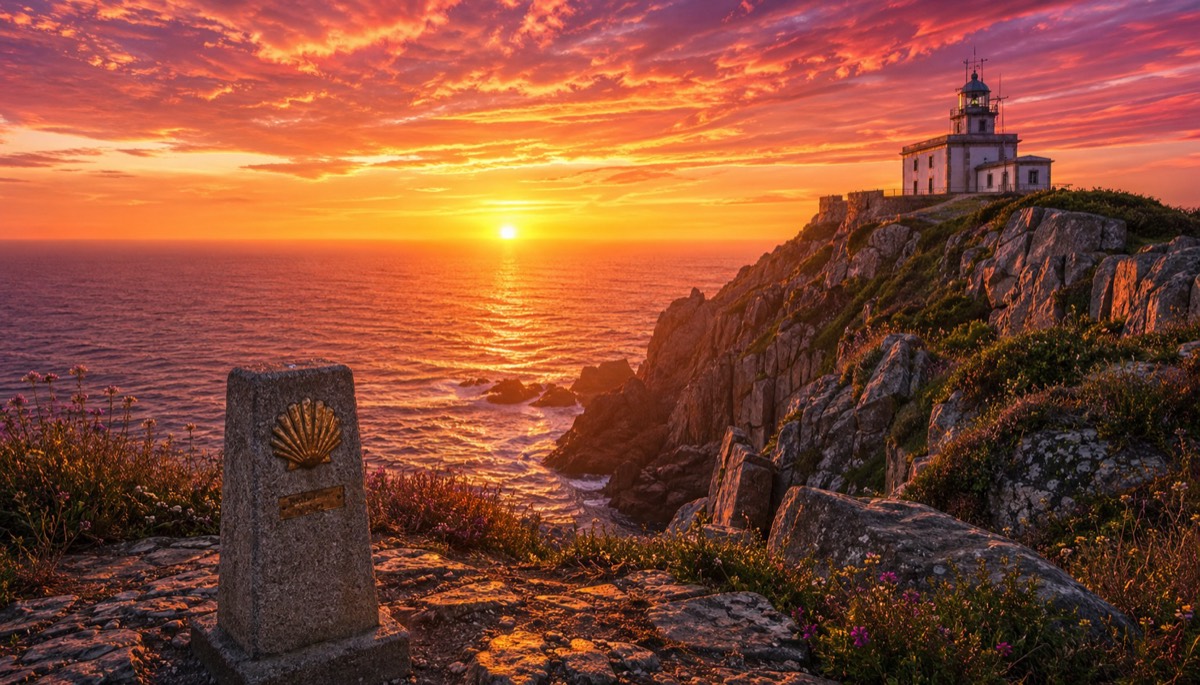
Beginning in Lisbon or, more commonly, in Porto, the Portuguese Way covers between 240 and 620 kilometers depending on your starting point. The Porto route takes about two weeks and passes through charming coastal towns, vineyards, and quiet forests. This route is an excellent option if you have less time or prefer a shorter introduction to the Camino experience. A popular variant, the Coastal Route, follows the Atlantic coastline and offers stunning ocean views.
Camino del Norte (The Northern Way)
Running along Spain's northern coast from Irun to Santiago, the Camino del Norte spans about 825 kilometers and takes roughly 34 days. It is more physically demanding than the Frances, with frequent steep climbs and descents along the Cantabrian coast. The payoff is dramatic seaside scenery, fewer crowds, and passage through culturally rich Basque Country and Asturias. This route suits experienced hikers who want a quieter, more challenging pilgrimage.
Best Time to Go
The most popular months are May, June, and September. These months offer mild temperatures, longer daylight hours, and manageable crowds. July and August are the busiest and hottest, with daytime temperatures on the Meseta exceeding 35 degrees Celsius. April and October can be pleasant but bring more rain, especially in Galicia. Winter walking is possible but not recommended for beginners due to cold weather, reduced services, and shorter days.
The Credential and Compostela
Before you begin, obtain a Pilgrim Credential, a folding document that serves as your pilgrim passport. You collect stamps (sellos) at albergues, churches, cafes, and tourist offices along the way. At the end, present your stamped credential at the Pilgrim Office in Santiago to receive your Compostela, the official certificate of completion. To qualify, you must have walked at least the final 100 kilometers or cycled the final 200 kilometers.
Credentials can be purchased at your starting point, at many cathedral offices, or ordered online from Camino associations in your home country.
A Typical Day on the Camino
Most pilgrims wake between 6:00 and 7:00 in the morning to beat the midday heat. After a simple breakfast, you walk for four to six hours, covering 20 to 25 kilometers with frequent cafe stops. Afternoons are for rest, laundry, and socializing with fellow pilgrims. Dinner is often a communal affair, with many restaurants offering a pilgrim menu for around 10 to 12 euros.
How Much Does It Cost?
The Camino is remarkably affordable compared to most European travel. Budget-minded pilgrims spending nights in municipal albergues (5 to 12 euros per bed), cooking their own meals occasionally, and eating pilgrim menus can manage on 30 to 40 euros per day. A more comfortable budget that includes private rooms and restaurant meals runs 60 to 90 euros per day. Factor in the cost of flights, gear, and your credential, and a five-week Camino Frances typically costs between 1,500 and 3,500 euros all in.
Preparing Physically
You do not need to be an athlete, but some preparation makes a huge difference. Start training at least two months before your departure. Walk regularly, building up to consecutive days of 15 to 20 kilometers with your loaded backpack. Focus on hilly terrain if possible, since the Camino includes significant elevation changes. Break in your hiking shoes thoroughly. Many pilgrims also add strength exercises for their core and legs, and stretching routines for their calves and hip flexors. Blisters are the most common complaint on the Camino, so experiment with sock combinations and blister prevention strategies during training.
Essential Gear Tips
- Backpack: Keep your base pack weight under 10 percent of your body weight. A 35 to 40 liter pack is sufficient.
- Footwear: Trail runners have become more popular than heavy boots. Choose what you have tested on long walks.
- Clothing: Pack for layering. Two sets of walking clothes, a rain jacket, and a warm fleece cover most conditions.
- First aid: Blister kit, anti-inflammatory cream, and basic medications are essentials.
Start Planning Your Pilgrimage
The Camino de Santiago changes how you think about travel, simplicity, and what your body can accomplish over weeks of steady walking. Apps like Sacred Trails can help you research routes, compare options, and build a personalized itinerary before you set out on the path.